How To Grow Apple (Cold Areas: Balochistan, GB, Northern KPK) Tree Faster at Home in Pakistan – Complete Guide | LEAFSOLACE.ORG
Apple farming is one of the most profitable horticulture sectors in Pakistan’s colder regions. If you live in Balochistan, Gilgit-Baltistan (GB), or northern KPK, growing apple trees at home can provide nutrition, income, and long-term value.
In this authoritative Complete Guide, you will learn HOW TO GROW Apple (cold areas: Balochistan, GB, northern KPK) faster, how to propagate, and understand the Benefits, Care & Uses with Tips and Tricks tailored specifically for Pakistan’s mountainous climate.
Let’s begin.
Understanding Apple Cultivation in Pakistan


Apple thrives in temperate climates with cold winters and mild summers.
In Pakistan, ideal regions include:
-
Balochistan
-
Gilgit-Baltistan
-
Khyber Pakhtunkhwa (northern districts)
These areas provide the necessary “chilling hours” required for apple flowering and fruiting.
According to Pakistan’s Ministry of National Food Security, Balochistan contributes more than 70% of the country’s apple production [Source: Government of Pakistan Agriculture Report, 2024].
Why Apples Require Cold Areas
Apple trees need 800–1,500 chilling hours (temperature below 7°C) depending on variety.
Without sufficient winter chill:
-
Flowering reduces
-
Fruit set declines
-
Yield drops
Climate change is affecting fruit patterns globally [Source: FAO Climate and Horticulture Report, 2024], making proper regional selection more important than ever.
HOW TO GROW Apple Tree Faster at Home
Growing apples quickly requires smart planning in the first 3–4 years.
Step 1: Choose the Right Variety
Not all apples grow well in Pakistan.
Popular varieties for cold areas:
-
Golden Delicious
-
Red Delicious
-
Kala Kulu
-
Amri
Consult local agricultural extension offices for region-specific recommendations.
Step 2: Select Proper Location
Apple trees require:
-
Full sunlight (6–8 hours daily)
-
Well-drained loamy soil
-
Protection from strong winds
Spacing:
-
12–15 feet between trees (standard varieties)
-
8–10 feet (dwarf varieties)
Avoid low-lying frost pockets.
Step 3: Soil Preparation

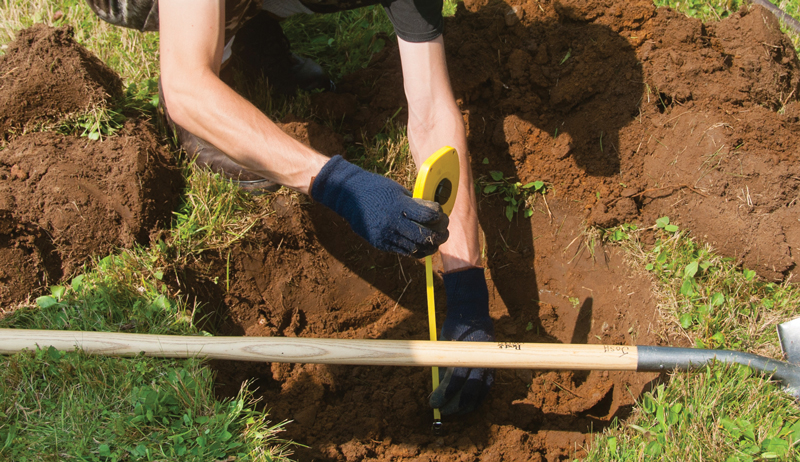
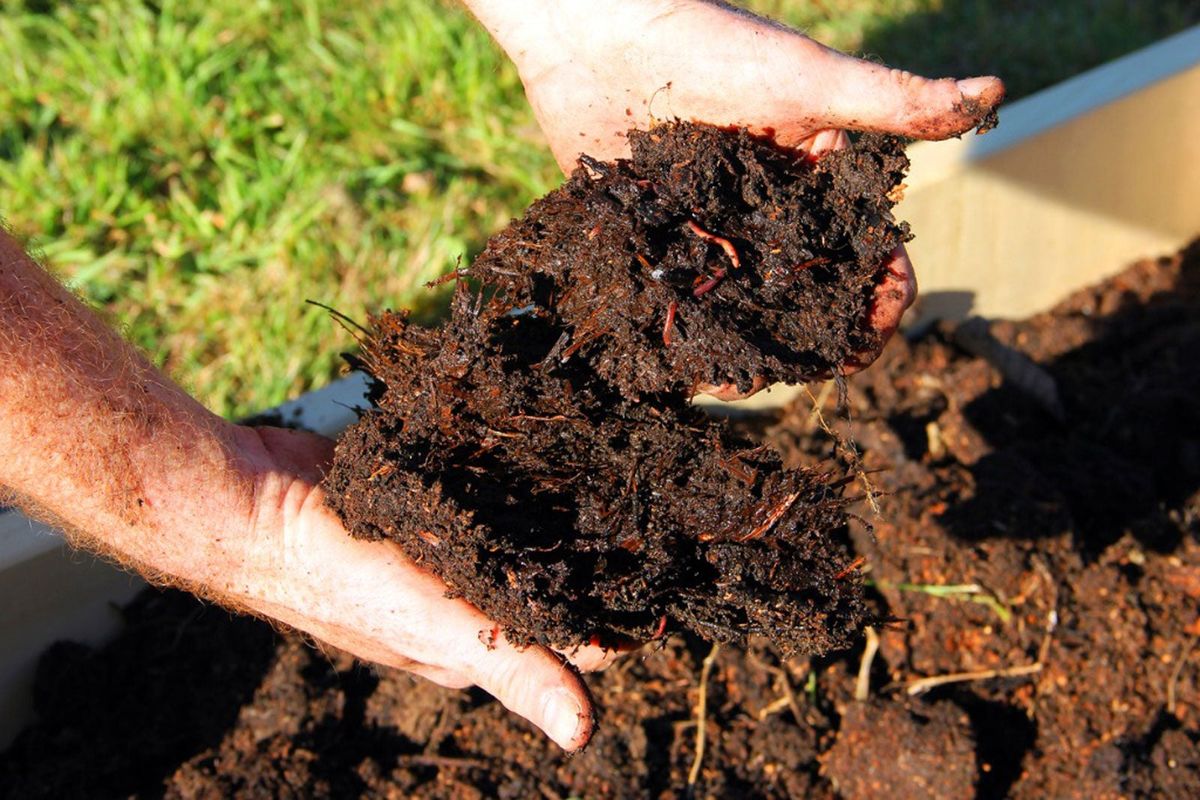
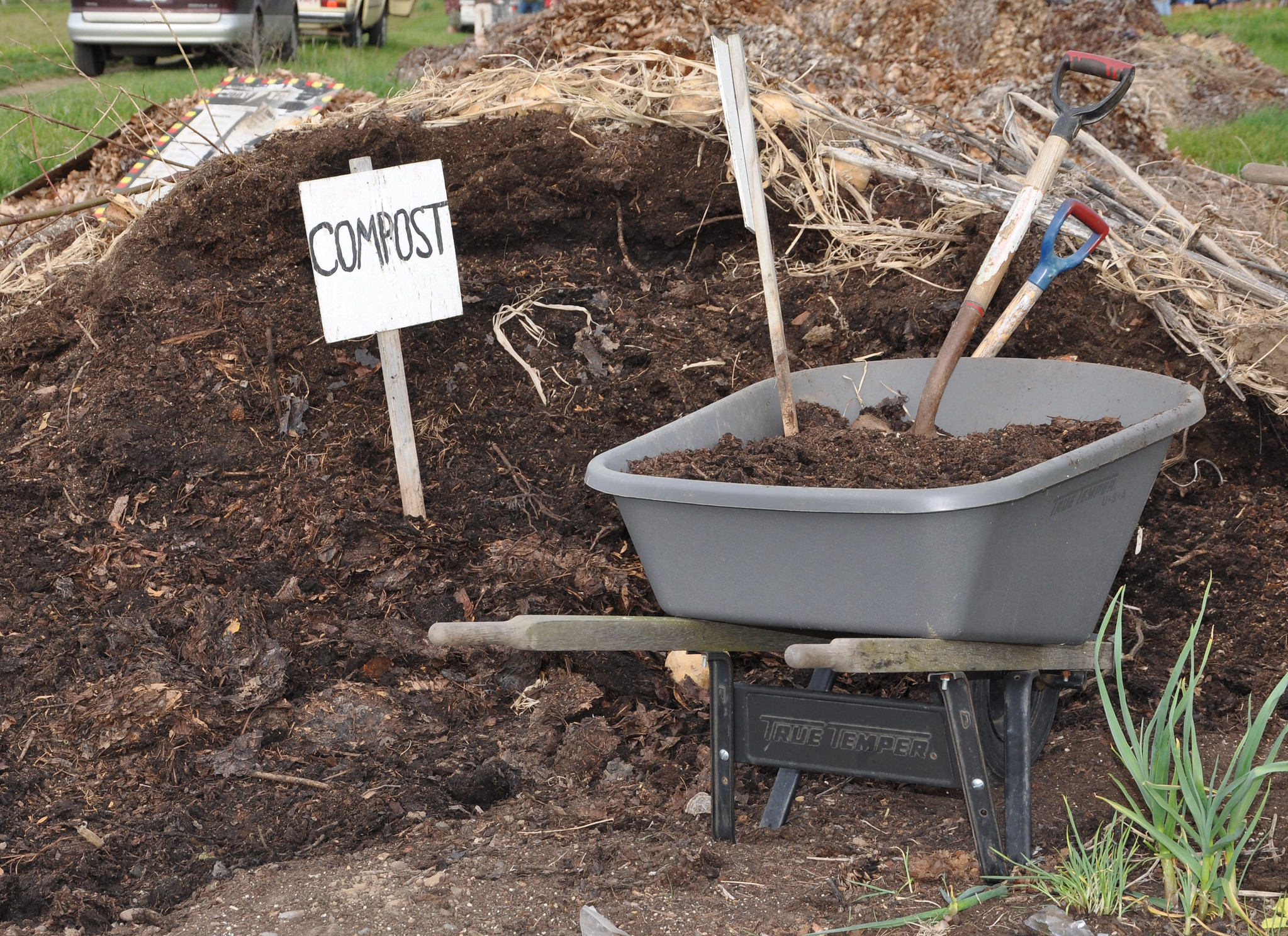
Ideal soil pH: 6.0–6.5.
Preparation steps:
-
Dig a 2-foot-wide, 2-foot-deep pit
-
Mix topsoil with compost
-
Add well-rotted manure
-
Ensure proper drainage
Avoid heavy clay soils without amendment.
Step 4: Watering Strategy
Young apple trees need consistent watering.
Watering schedule:
-
Spring–Summer: Once weekly
-
During fruiting: Moderate, consistent watering
-
Winter: Minimal watering
Avoid overwatering, which causes root rot.
Drip irrigation improves water efficiency.
Step 5: Fertilization Plan
Apply fertilizer during early spring.
Recommended:
-
Organic compost
-
Balanced NPK fertilizer (10-10-10)
-
Potassium before flowering
Excess nitrogen reduces fruit quality.
Balance is critical.
How to Propagate Apple Trees
Apple trees are rarely grown from seed for fruit production.
Propagation methods include:
-
Grafting (best method)
-
Budding
-
Seeds (for rootstock only)
1. Grafting (Recommended)


Steps:
-
Select healthy rootstock
-
Attach scion from desired variety
-
Secure with grafting tape
Grafted trees:
-
Bear fruit faster (2–4 years)
-
Ensure predictable quality
-
Offer disease resistance
Seed-grown trees may take 7–10 years to fruit.
2. Growing from Seeds


Steps:
-
Extract seeds
-
Cold stratify for 6–8 weeks
-
Plant in seed trays
Seeds are mainly used to develop rootstock.
Care & Maintenance Guide
Pruning

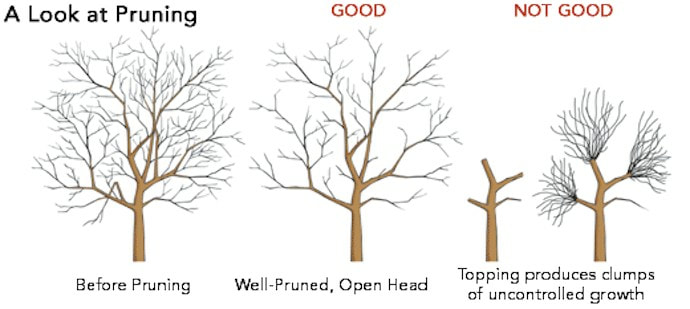


Prune annually in winter.
Goals:
-
Open canopy
-
Improve sunlight penetration
-
Remove weak branches
Proper pruning improves fruit size and quality.
Mulching
Apply 2–3 inches organic mulch.
Benefits:
-
Moisture retention
-
Weed suppression
-
Soil temperature regulation
Keep mulch away from trunk.
Pest & Disease Management
Common apple problems:
-
Apple scab
-
Codling moth
-
Aphids
Preventive measures:
-
Copper fungicide sprays
-
Neem oil
-
Regular monitoring
Integrated Pest Management (IPM) is recommended.
Benefits, Care & Uses with Tips and Tricks
Nutritional Benefits
Apples are rich in:
-
Fiber
-
Vitamin C
-
Antioxidants
Research links apple consumption to heart health support [Source: Journal of Nutritional Science, 2024].
Economic Benefits
Apple orchards are a major income source in Balochistan and GB.
Pakistan exports apples to regional markets annually [Source: Pakistan Bureau of Statistics, 2024].
Even small-scale home orchards can supplement income.
Environmental Benefits
-
Soil stabilization on slopes
-
Carbon absorption
-
Biodiversity support
Agroforestry improves land resilience in mountainous areas [Source: FAO Forestry Review, 2024].
Expert Tips for Faster Growth
-
Always use grafted plants.
-
Plant during late winter or early spring.
-
Maintain proper pruning structure early.
-
Avoid excessive nitrogen.
-
Protect blossoms from late frost.
Early care determines long-term productivity.
Common Mistakes to Avoid
-
Planting low-chill varieties in high-chill areas
-
Ignoring pruning
-
Overwatering
-
Poor drainage
-
Using seed-grown plants for fruit production
Smart GARDENING ensures strong, productive trees.
Is Apple the Right Plant for Your Home?
If you live in cold regions like Balochistan, GB, or northern KPK, apples are among the most rewarding fruit trees.
However, they require:
-
Cold winters
-
Proper pruning
-
Seasonal care
They are not ideal for hot plains like Sindh or southern Punjab.
Frequently Asked Questions (FAQ)
1. How long does an Apple tree take to bear fruit?
Grafted trees typically produce fruit within 2–4 years.
2. What is the best time to plant apples in Pakistan?
Late winter to early spring is ideal.
3. Do apples require heavy watering?
Moderate, consistent watering is sufficient.
4. Can apples grow in pots?
Dwarf varieties can grow in large containers in cold regions.
5. Which region produces most apples in Pakistan?
Balochistan leads national apple production.
Final Thoughts
Learning HOW TO GROW Apple (cold areas: Balochistan, GB, northern KPK) successfully requires understanding climate, chilling requirements, and proper propagation.
With grafted plants, structured pruning, and consistent care, apple trees can become both a household food source and an income opportunity.
At LEAFSOLACE.ORG, we promote informed planting decisions tailored to Pakistan’s diverse climates.
Grow wisely. Harvest abundantly. 🌱🍎