How To Grow Mulberry (Morus spp.) Tree Faster at Home in Pakistan – Complete Guide | LEAFSOLACE.ORG
If you want a fast-growing fruit tree that provides shade, nutrition, and income potential, Mulberry is an excellent choice.
Widely grown across Punjab, KPK, and northern Pakistan, Mulberry (Morus spp.) is valued for its sweet fruits, livestock fodder, and adaptability.
In this authoritative Complete Guide, you will learn HOW TO GROW Mulberry faster, how to propagate it, and explore its Benefits, Care & Uses with Tips and Tricks tailored specifically for Pakistan’s climate.
Let’s dive in.
Understanding Mulberry (Morus spp.)
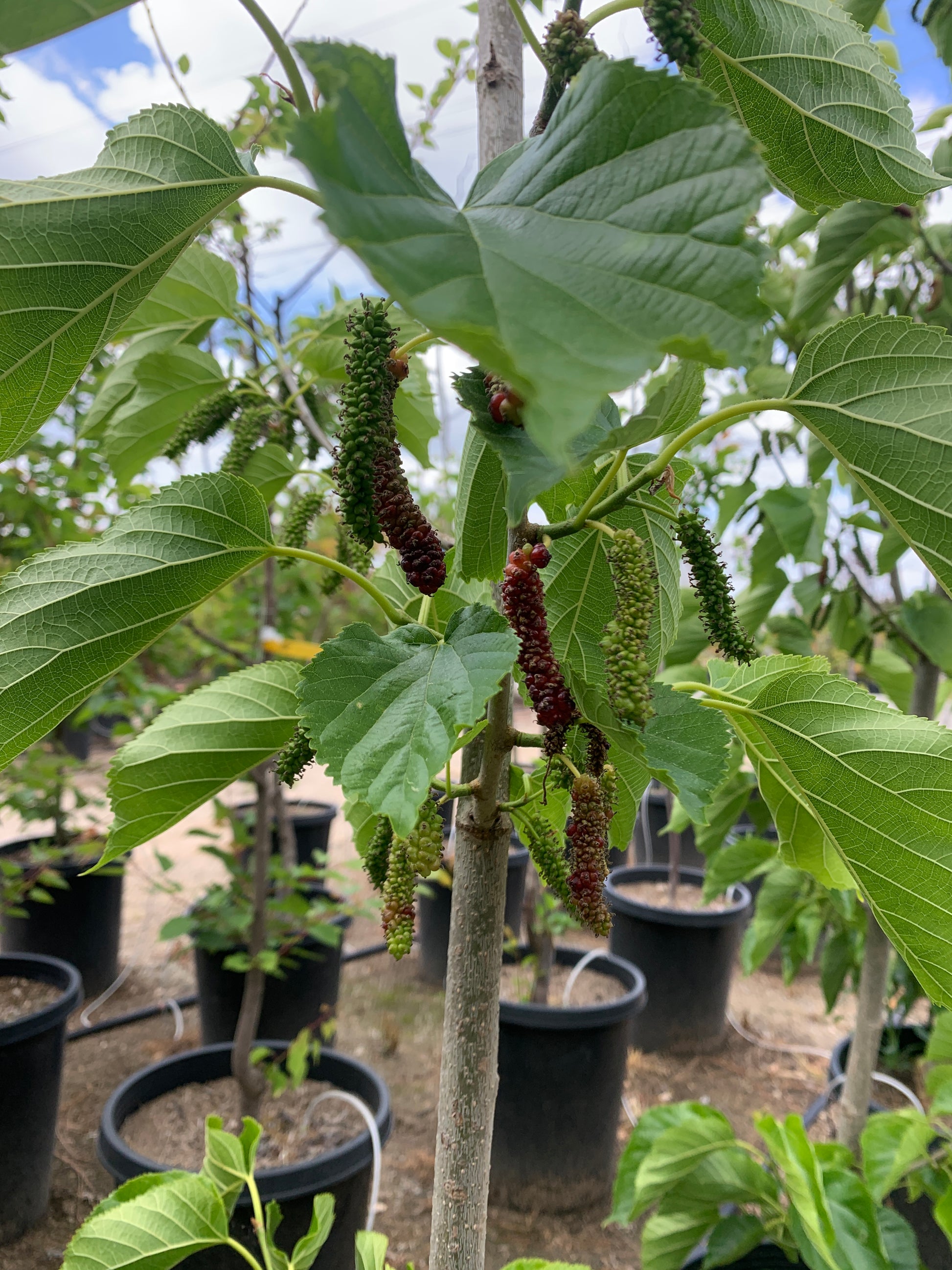


Mulberry belongs to the Moraceae family and includes several species such as white mulberry, black mulberry, and red mulberry.
In Pakistan, white mulberry (Morus alba) is most commonly cultivated.
It thrives in temperate to subtropical climates and can grow 30–50 feet tall under ideal conditions.
Mulberry is especially important in sericulture (silk production), as its leaves feed silkworms [Source: FAO Sericulture Report, 2024].
Why Grow Mulberry in Pakistan?
Mulberry is ideal for Pakistani households because it offers multiple advantages:
-
Fast growth
-
Delicious, nutrient-rich fruit
-
Shade tree potential
-
Livestock fodder
-
Soil stabilization
According to FAO data, mulberry-based agroforestry systems increase smallholder income and soil productivity [Source: FAO Agroforestry Report, 2023].
With Pakistan’s rising temperatures, fruit trees like mulberry also contribute to urban cooling and food security.
HOW TO GROW Mulberry (Morus spp.) Faster at Home
Growing mulberry quickly depends on proper planting, watering, and pruning during the first two years.
Step 1: Choose the Right Location
Mulberry requires:
-
Full sunlight (6–8 hours daily)
-
Well-drained loamy soil
-
Moderate open space
Plant at least 10–15 feet away from buildings due to root spread.
Best planting time:
-
Late winter (February–March)
-
Monsoon season (July–August)
Step 2: Soil Preparation

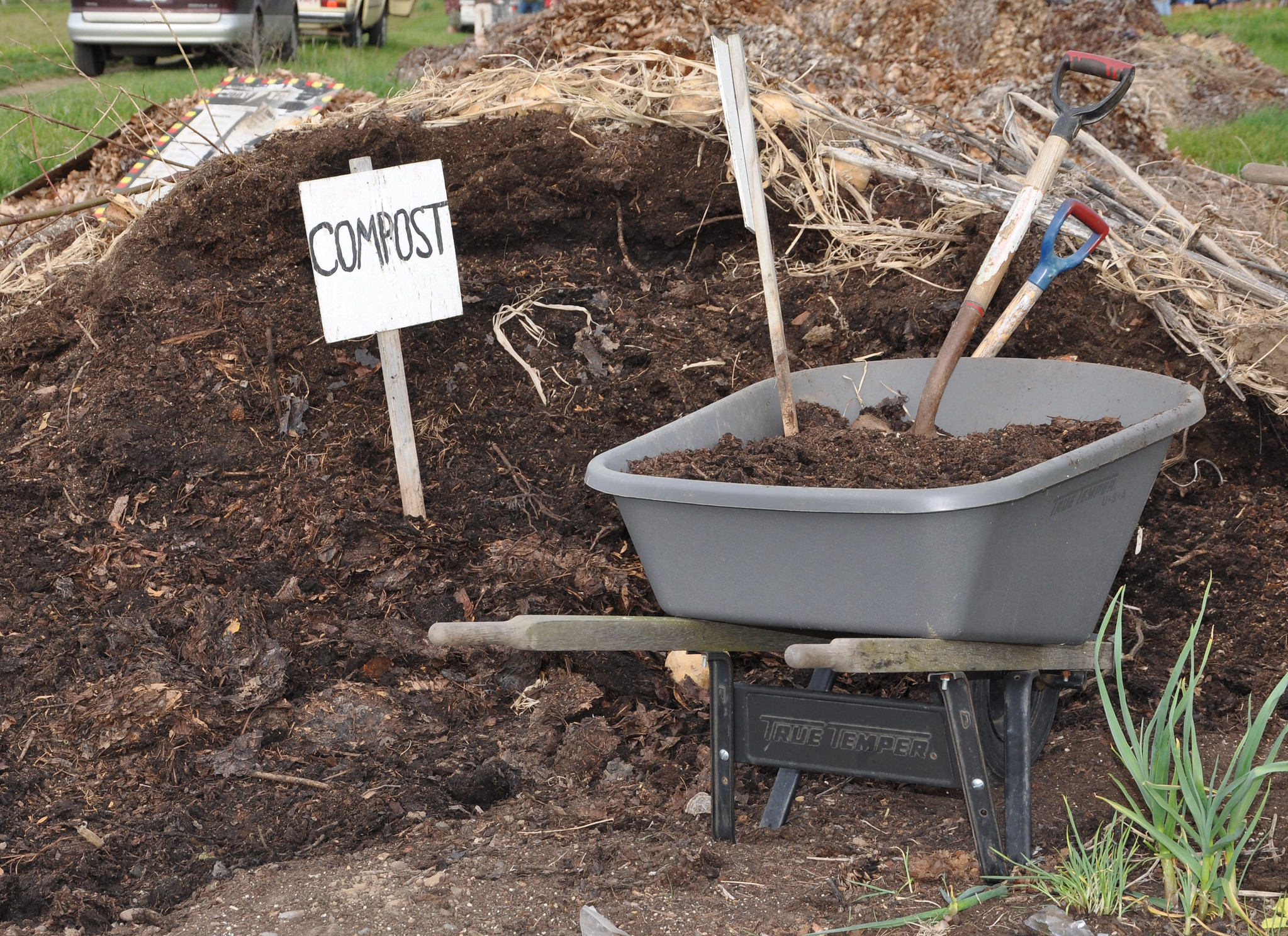


Mulberry tolerates different soils but grows faster in nutrient-rich soil.
Ideal mix:
-
50% garden soil
-
25% compost
-
25% sand
Add:
-
Well-rotted cow manure
-
Bone meal for root strength
Dig a hole twice as wide as the root ball.
Do not plant deeper than nursery soil level.
Step 3: Watering Strategy
Mulberry is moderately drought-tolerant once established.
Watering schedule:
-
First 2 months: 2–3 times weekly
-
After establishment: Weekly deep watering
Avoid waterlogging.
Drip irrigation is highly effective for consistent growth.
Step 4: Fertilization Plan
Feed mulberry every 3–4 months with:
-
Organic compost
-
Vermicompost
-
Balanced NPK fertilizer (light dose)
Excess nitrogen causes leafy growth but reduces fruiting.
Balance is key.
How to Propagate Mulberry (Morus spp.)
Mulberry is easy to propagate.
Common methods include:
-
Cuttings (most reliable)
-
Seeds
-
Grafting
1. Propagation by Cuttings (Best Method)


Steps:
-
Take hardwood cuttings (8–10 inches).
-
Dip in rooting hormone.
-
Plant in sandy soil mix.
-
Keep moist until roots develop.
Rooting occurs within 3–4 weeks.
This method ensures faster maturity compared to seeds.
2. Growing from Seeds


Steps:
-
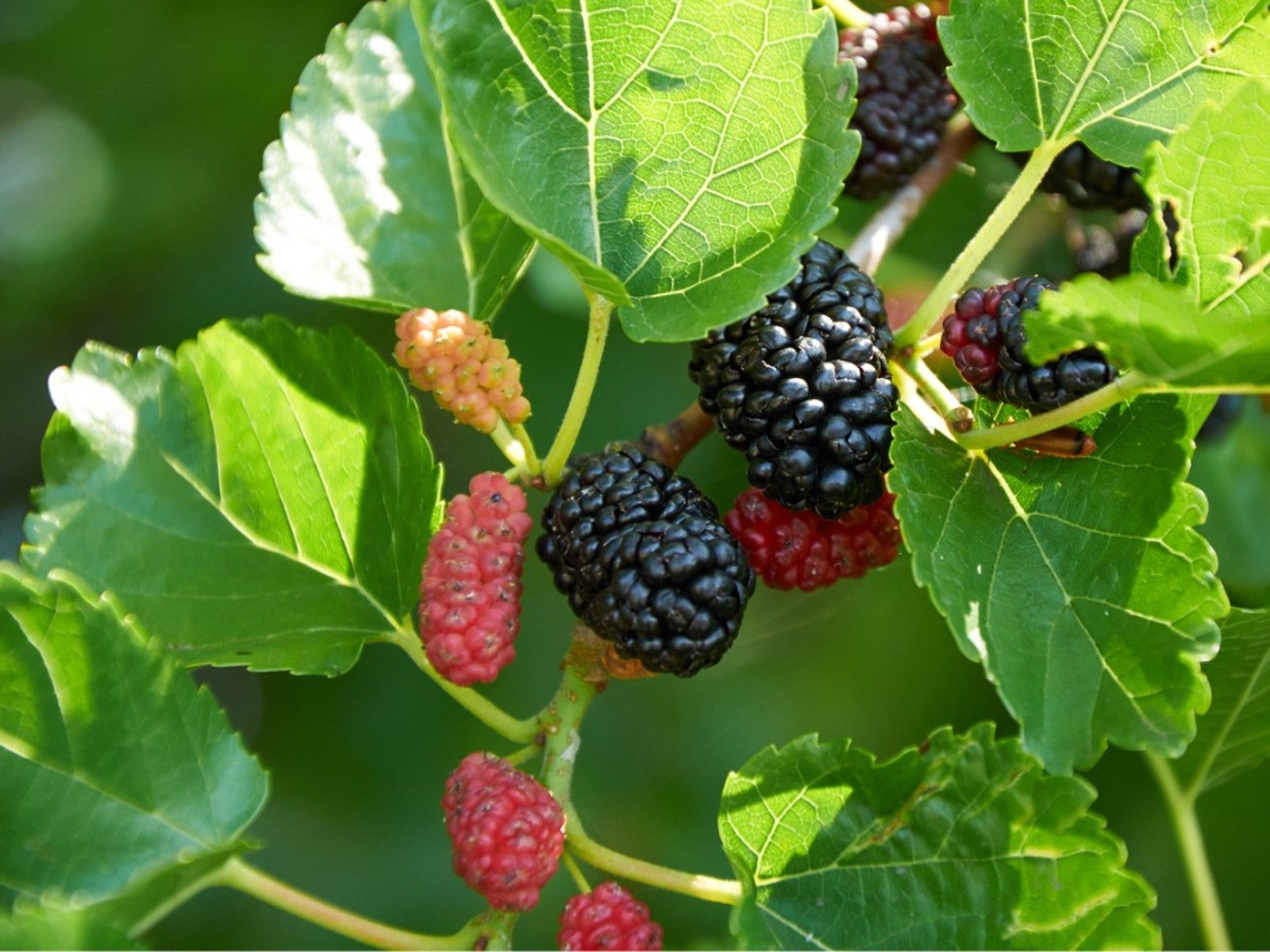
Extract seeds from ripe fruit.
-
Wash and dry.
-
Sow in seed trays.
-
Germination in 10–20 days.
Seed-grown trees take longer to fruit.
3. Grafting
Used for:
-
Improved fruit quality
-
Disease resistance
-
Faster fruiting
Grafted plants are ideal for home gardeners seeking reliable yields.
Care & Maintenance Guide
Pruning

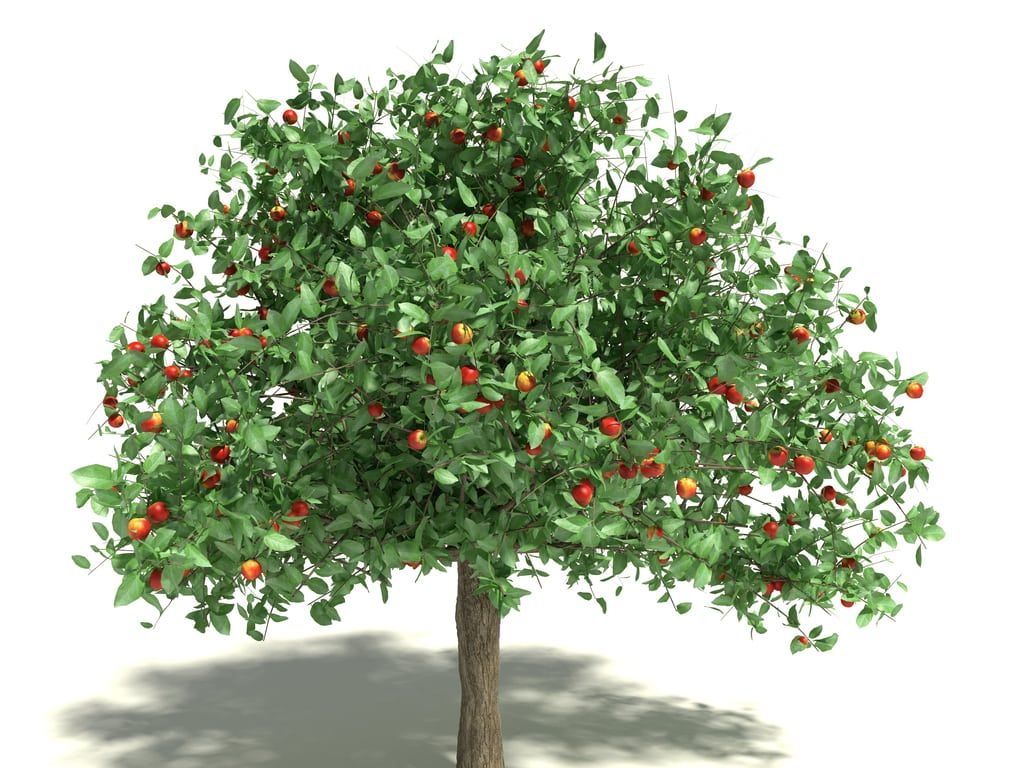


Prune annually in winter.
Remove:
-
Dead branches
-
Weak shoots
-
Crossing limbs
Pruning stimulates fruit production and faster canopy growth.
Mulching
Apply 2–3 inches organic mulch.
Benefits:
-
Moisture retention
-
Weed suppression
-
Soil temperature control
Keep mulch slightly away from trunk.
Pest & Disease Control
Common issues:
-
Fruit flies
-
Aphids
-
Powdery mildew
Preventive measures:
-
Neem oil spray
-
Good air circulation
-
Proper pruning
Mulberry is generally hardy.
Benefits, Care & Uses with Tips and Tricks
Nutritional Benefits
Mulberries are rich in:
-
Vitamin C
-
Iron
-
Antioxidants
Studies show mulberries support heart health and immune function [Source: Journal of Nutritional Science, 2024].
Economic Uses
-
Fresh fruit sales
-
Dried mulberries
-
Livestock fodder
-
Silk industry support
Mulberry-based agroforestry increases rural income stability [Source: FAO, 2023].
Environmental Benefits
-
Soil stabilization
-
Shade for livestock
-
Biodiversity support
Urban tree planting reduces local heat by up to 4°C [Source: UN Environment Programme, 2024].
Expert Tips & Tricks for Faster Growth
-
Plant grafted varieties for early fruiting.
-
Use drip irrigation.
-
Apply compost before flowering season.
-
Ensure full sunlight exposure.
-
Remove competing weeds regularly.
Consistency accelerates growth.
Common Mistakes to Avoid
-
Overwatering
-
Skipping pruning
-
Excess nitrogen fertilizer
-
Planting in heavy clay without drainage
-
Ignoring pest control
Smart GARDENING ensures healthy growth and high yields.
Is Mulberry the Right Plant for Your Home?
If you want:
-
A fast-growing fruit tree
-
Shade and food security
-
Low-maintenance care
Mulberry is an excellent PLANT for Pakistani households.
It grows quickly.
It produces nutritious fruit.
It adapts well to local climates.
Frequently Asked Questions (FAQ)
1. How fast does Mulberry (Morus spp.) grow in Pakistan?
Mulberry can grow 2–4 feet per year under ideal conditions.
2. When is the best time to plant Mulberry?
Late winter (February–March) or monsoon season is ideal.
3. How long before Mulberry bears fruit?
Cutting-grown trees may fruit within 2–3 years.
4. Can Mulberry grow in pots?
Yes, dwarf varieties can grow in large containers.
5. Does Mulberry require heavy fertilization?
No. Moderate compost feeding every few months is sufficient.
Final Thoughts
Learning HOW TO GROW Mulberry (Morus spp.) effectively gives you shade, fruit, and long-term value.
With proper soil preparation, the right propagate method, and consistent care, mulberry can become one of the most rewarding trees in your garden.
At LEAFSOLACE.ORG, we believe sustainable planting builds stronger communities.
Plant wisely. Grow abundantly. 🌱