How To Grow Peepal, Banyan (Ficus spp.) Tree Faster at Home in Pakistan – Complete Guide | LEAFSOLACE.ORG
If you want to plant a tree that offers massive shade, spiritual significance, ecological value, and long-term environmental impact, Peepal and Banyan are unmatched.
Both belong to the Ficus genus and thrive in Pakistan’s climate. However, they require careful planning due to their aggressive root systems and massive canopy spread.
In this authoritative Complete Guide, you will learn HOW TO GROW Peepal, Banyan (Ficus spp.) faster at home, how to propagate, and explore their Benefits, Care & Uses with Tips and Tricks tailored for Pakistan.
Let’s begin.
Understanding Peepal and Banyan (Ficus spp.)


Two major species dominate in Pakistan:
-
Peepal
-
Banyan
Both are long-living, evergreen to semi-evergreen trees.
They can grow over 60–80 feet tall and spread equally wide.
Banyan trees develop aerial roots that become trunk-like supports, while Peepal trees have distinctive heart-shaped leaves.
These trees are keystone species in tropical ecosystems, supporting birds, insects, and mammals [Source: FAO Biodiversity Forestry Report, 2024].
Why Grow Peepal and Banyan in Pakistan?
Pakistan faces increasing heatwaves and urban temperature rise. According to UN Environment Programme data, urban tree cover can reduce surface temperatures by up to 4°C [Source: UNEP, 2024].
Peepal and Banyan offer:
-
Dense shade
-
Carbon sequestration
-
Habitat for wildlife
-
Cultural and spiritual value
-
Long lifespan (100+ years)
Because Pakistan ranks among climate-vulnerable nations [Source: Germanwatch Climate Risk Index, 2024], large canopy trees help mitigate extreme heat.
Important Consideration Before Planting
These are NOT small garden trees.
They have:
-
Aggressive roots
-
Wide canopy spread
-
Long lifespan
Plant only if you have:
-
Large open yard
-
Farm boundary
-
Roadside space
-
Institutional land
Avoid planting near buildings, pipelines, or foundations.
HOW TO GROW Peepal, Banyan (Ficus spp.) Faster at Home
Fast growth depends on soil quality, sunlight, and early care.
Step 1: Choose the Right Location
Requirements:
-
Full sunlight (8 hours minimum)
-
Deep, well-drained soil
-
Open space (20–30 feet clearance)
Best planting time:
-
Monsoon season (July–September)
Natural rainfall accelerates root establishment.
Step 2: Soil Preparation

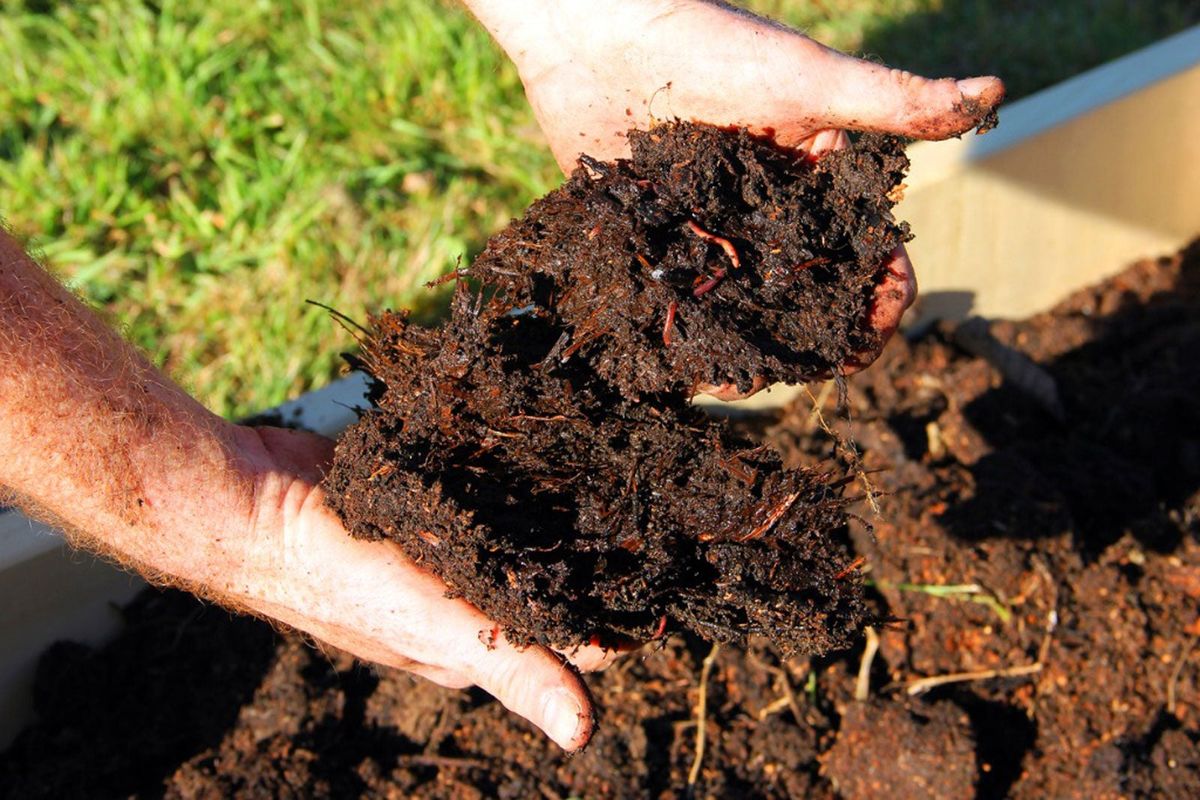
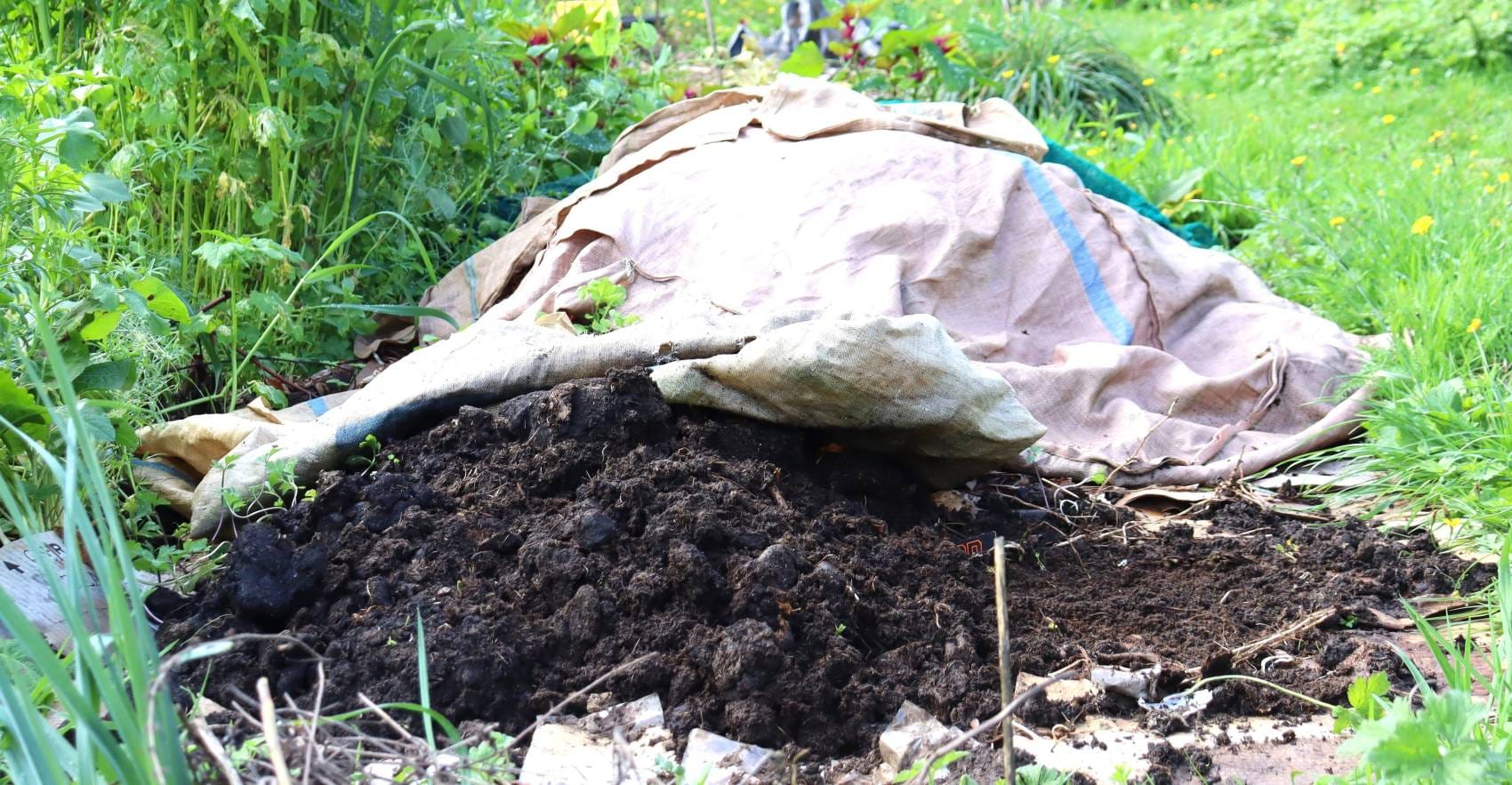

Although Ficus species are adaptable, enriched soil boosts early growth.
Ideal mix:
-
50% garden soil
-
25% compost
-
25% sand
Add:
-
Well-rotted cow dung
-
Bone meal
Dig a deep and wide pit (at least 2–3 feet).
Avoid planting too deep.
Step 3: Watering Strategy
Young plants need consistent moisture.
Watering plan:
-
First 3 months: 2–3 times weekly
-
After establishment: Weekly deep watering
Once mature, both trees become drought-tolerant.
Avoid waterlogging.
Step 4: Fertilization Plan
Feed every 3–4 months during first two years.
Use:
-
Organic compost
-
Vermicompost
-
Balanced NPK fertilizer (moderate dose)
After maturity, fertilization becomes less necessary.
How to Propagate Peepal and Banyan
Both species propagate easily.
Methods include:
-
Seeds
-
Cuttings
-
Air layering
1. Propagate from Seeds



Steps:
-
Collect ripe figs.
-
Extract seeds.
-
Sow in moist soil tray.
-
Keep warm and humid.
Germination occurs within 10–20 days.
Transplant when seedlings are 4–6 inches tall.
2. Propagation by Cuttings


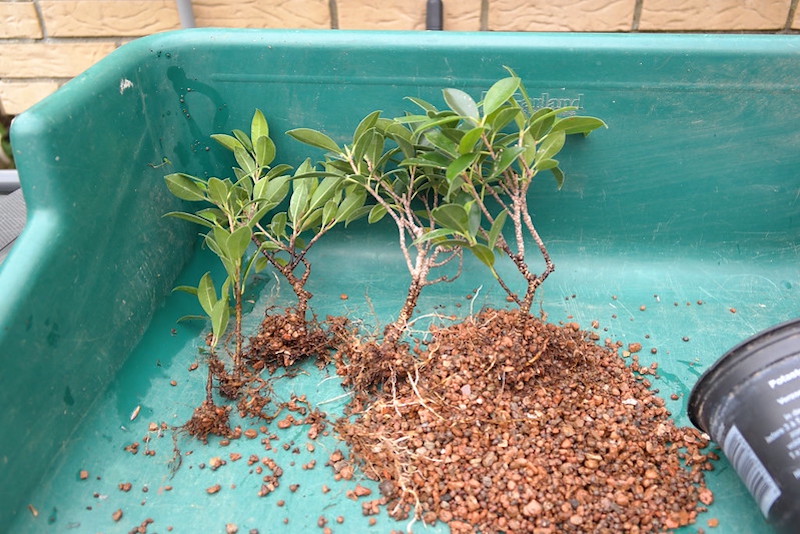
Steps:
-
Take semi-hardwood cutting (6–8 inches).
-
Dip in rooting hormone.
-
Plant in sandy soil mix.
Air layering works especially well for Banyan.
Care & Maintenance Guide
Pruning

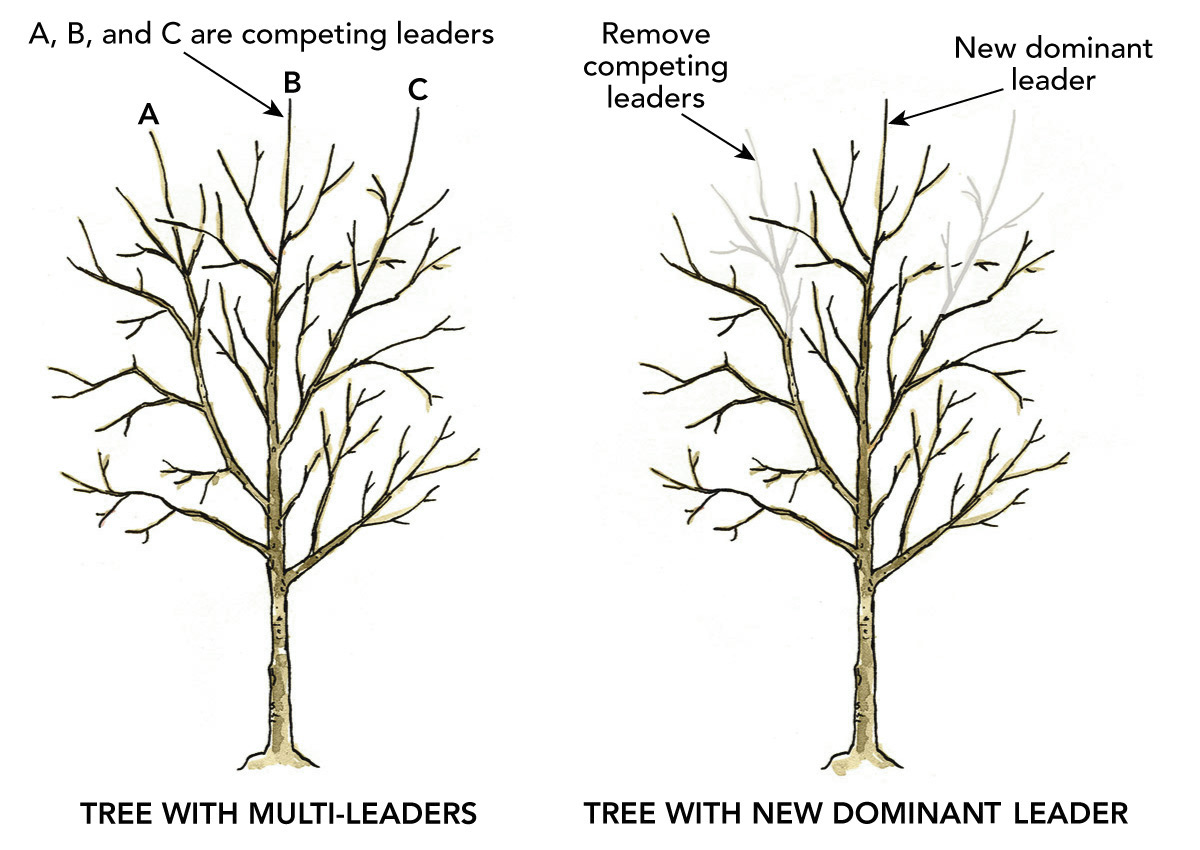


Prune to:
-
Remove weak branches
-
Shape canopy
-
Control spread
Best time: Late winter.
Proper pruning encourages structured growth.
Mulching
Apply 3 inches organic mulch.
Benefits:
-
Retains moisture
-
Suppresses weeds
-
Improves soil quality
Keep mulch away from trunk.
Pest & Disease Control
Ficus species are hardy but may face:
-
Scale insects
-
Mealybugs
-
Fungal leaf spots
Use neem oil spray and maintain airflow.
Benefits, Care & Uses with Tips and Tricks
Environmental Benefits
-
Major carbon absorption
-
Urban heat reduction
-
Biodiversity support
Large canopy trees significantly improve microclimate conditions [Source: UNEP Urban Forestry Review, 2024].
Cultural and Spiritual Importance
Peepal and Banyan hold deep cultural value in South Asia.
They are often planted near temples, shrines, and community spaces.
Landscaping Uses
-
Public parks
-
Roadside shade
-
Institutional campuses
-
Farm boundaries
They create iconic landscapes.
Expert Tips for Faster Growth
-
Plant during monsoon.
-
Ensure full sunlight.
-
Avoid root disturbance.
-
Apply compost regularly for first 2 years.
-
Maintain adequate spacing.
Early care determines long-term strength.
Common Mistakes to Avoid
-
Planting near buildings
-
Overwatering
-
Ignoring root spread
-
Poor pruning
-
Planting in confined spaces
Responsible GARDENING means understanding long-term impact.
Is Peepal or Banyan Right for Your Home?
If you have large space and long-term vision, these trees are unmatched.
If you have limited space, consider smaller Ficus varieties instead.
These are legacy trees.
They outlive generations.
Frequently Asked Questions (FAQ)
1. How fast do Peepal and Banyan grow in Pakistan?
They can grow 2–4 feet per year under ideal conditions.
2. What is the best time to plant them?
Monsoon season (July–September) is ideal.
3. Are their roots damaging?
Yes, if planted near structures. Maintain 20–30 feet distance.
4. Can they grow in pots?
Only temporarily. They eventually require ground planting.
5. Do they require heavy maintenance?
No. After establishment, they are low-maintenance.
Final Thoughts
Learning HOW TO GROW Peepal, Banyan (Ficus spp.) is about long-term environmental commitment.
With proper propagate methods, soil preparation, and early care, these trees become monumental assets.
They provide shade, biodiversity, and cultural heritage.
At LEAFSOLACE.ORG, we advocate responsible tree planting for Pakistan’s future.
Plant wisely. Grow sustainably. 🌱