How To Grow Siris (Albizia lebbeck) Tree Faster at Home in Pakistan – Complete Guide | LEAFSOLACE.ORG
If you want a fast-growing, shade-providing, and environmentally beneficial tree for your home, Siris is an excellent choice.
Known for its spreading canopy and fragrant flowers, Siris (Albizia lebbeck) is widely planted across Pakistan for shade, timber, and environmental restoration.
In this authoritative Complete Guide, you will learn HOW TO GROW Siris faster, how to propagate it, and explore its Benefits, Care & Uses with Tips and Tricks—all tailored for Pakistan’s climate.
Let’s get started.
Understanding Siris (Albizia lebbeck)


Siris is a fast-growing deciduous tree belonging to the Fabaceae (legume) family.
It is native to South Asia and thrives in Pakistan’s tropical and subtropical climates.
Mature Siris trees can reach 50–60 feet in height with a broad umbrella-shaped canopy.
Because it is a nitrogen-fixing species, it improves soil fertility naturally—making it valuable for agroforestry systems [Source: FAO Agroforestry Review, 2024].
Why Grow Siris in Pakistan?
Pakistan faces rising temperatures and deforestation challenges. According to the Global Climate Risk Index, Pakistan remains among the most climate-vulnerable nations [Source: Germanwatch, 2024].
Planting trees like Siris offers both environmental and practical benefits:
-
Dense shade for homes and livestock
-
Soil enrichment through nitrogen fixation
-
Windbreak potential
-
Timber and fuelwood use
-
Urban cooling effect
Urban tree cover can reduce local temperatures by up to 4°C [Source: UN Environment Programme, 2024].
Siris is particularly suitable for Punjab, Sindh, and KPK regions.
HOW TO GROW Siris (Albizia lebbeck) Faster at Home
Growing Siris quickly requires proper soil preparation, sunlight, and early-stage care.
Step 1: Select the Right Location
Siris requires:
-
Full sunlight (6–8 hours daily)
-
Well-drained soil
-
Open space for canopy spread
Avoid planting too close to walls or foundations.
Recommended spacing:
-
12–15 feet from buildings
-
10–12 feet between trees
Plant during monsoon season (July–September) for best establishment.
Step 2: Soil Preparation for Fast Growth

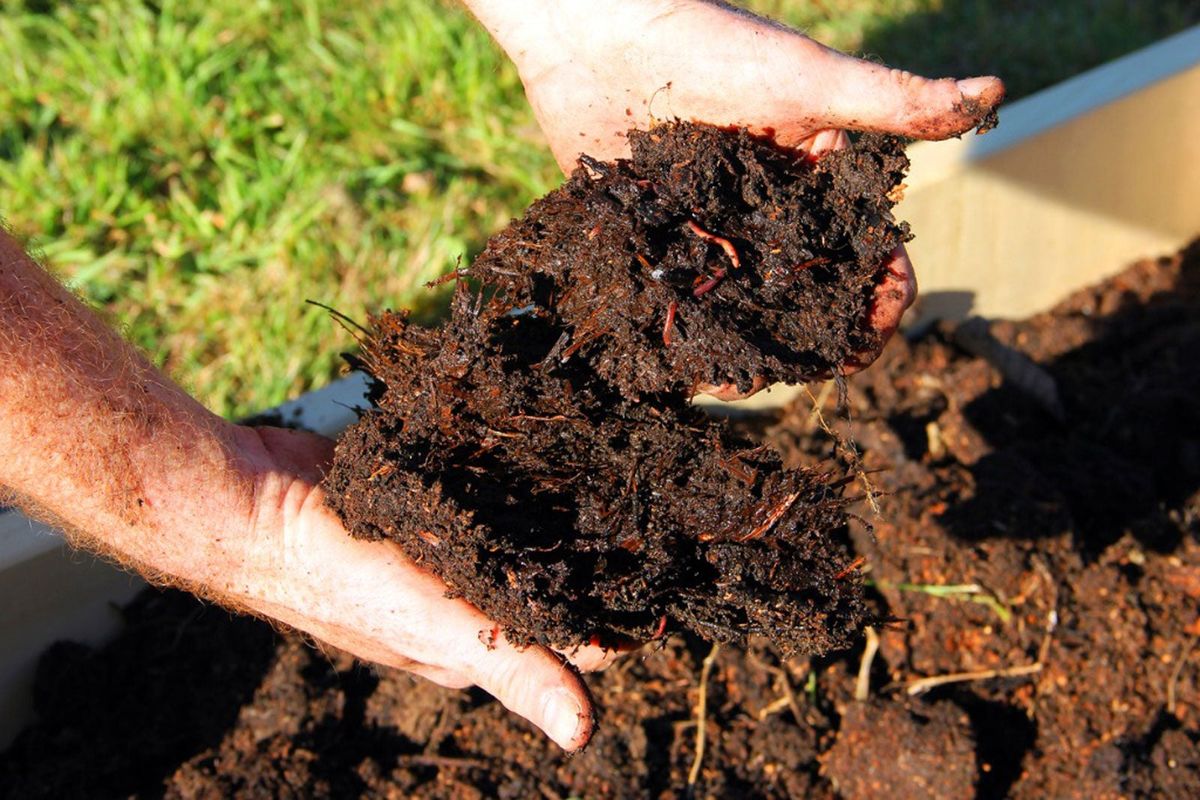


Although Siris tolerates various soils, enriched soil accelerates growth.
Ideal soil mix:
-
50% garden soil
-
25% compost
-
25% sand
Add:
-
Well-rotted cow dung
-
Bone meal (for root development)
Dig a hole twice the width of the root ball.
Avoid planting deeper than nursery soil level.
Step 3: Watering Strategy
Siris is moderately drought-tolerant once established.
Watering plan:
-
First 2–3 months: 2 times per week
-
After establishment: Once weekly deep watering
Deep watering encourages strong root systems.
Avoid waterlogging.
Step 4: Fertilization Schedule
Because Siris fixes nitrogen, it requires minimal fertilization.
Apply compost every 3–4 months.
Avoid excessive nitrogen fertilizer. It can cause weak branch growth.
How to Propagate Siris (Albizia lebbeck)
Propagation is simple and cost-effective.
Siris can be propagated via:
-
Seeds
-
Cuttings (less common)
1. Propagate from Seeds (Best Method)


Steps:
-
Collect mature dry pods.
-
Remove seeds.
-
Soak seeds in warm water for 12–24 hours.
-
Plant 1 inch deep in seed tray.
-
Keep moist until germination.
Germination usually occurs within 7–15 days.
Transplant seedlings when 4–6 inches tall.
2. Propagation by Cuttings
Possible but less reliable.
Use semi-hardwood cuttings with rooting hormone.
Seed propagation remains most successful.
Care & Maintenance Guide
Mulching


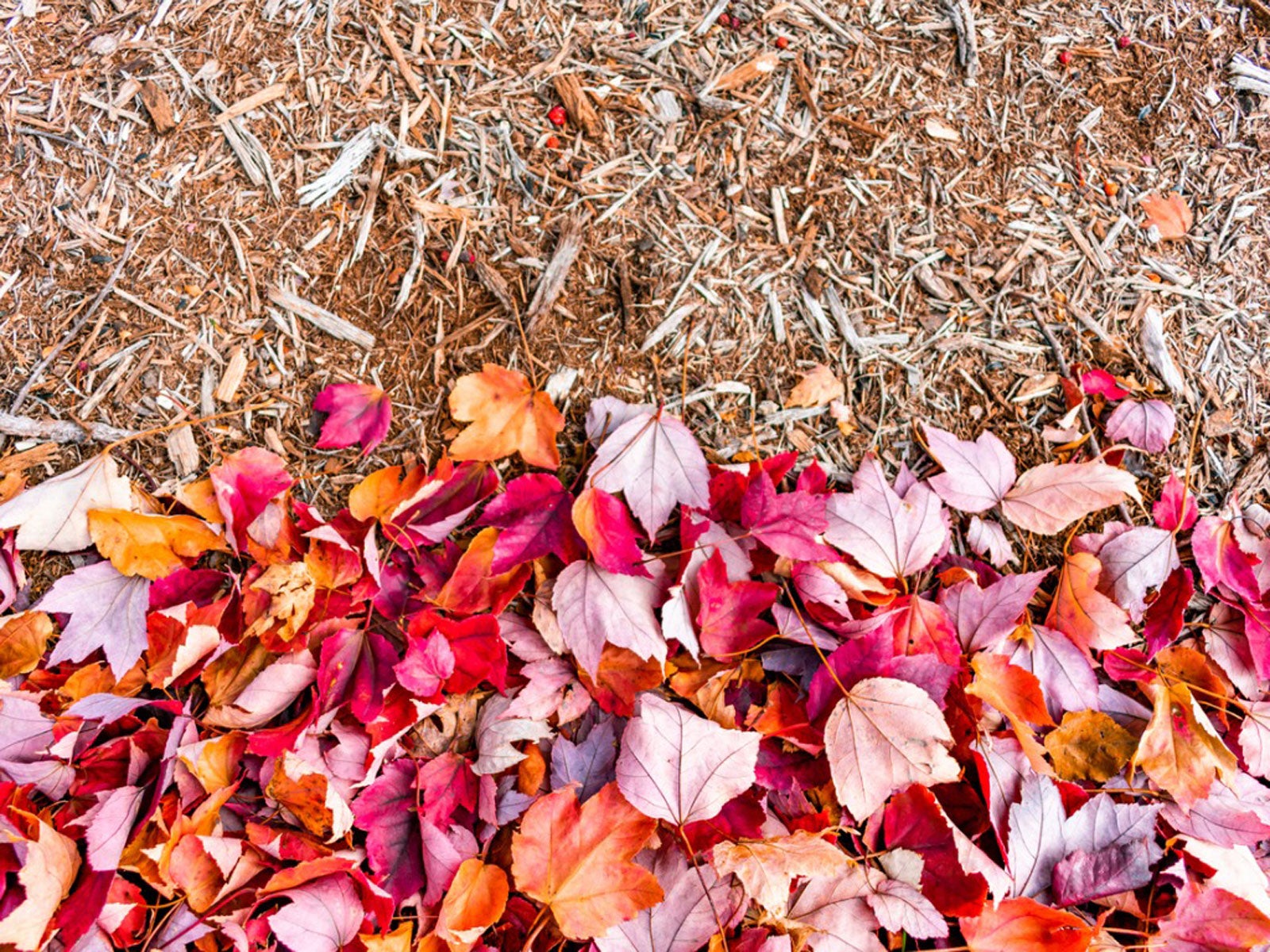
Apply 2–3 inches organic mulch.
Benefits:
-
Moisture retention
-
Weed suppression
-
Temperature regulation
Keep mulch away from trunk to prevent rot.
Pruning
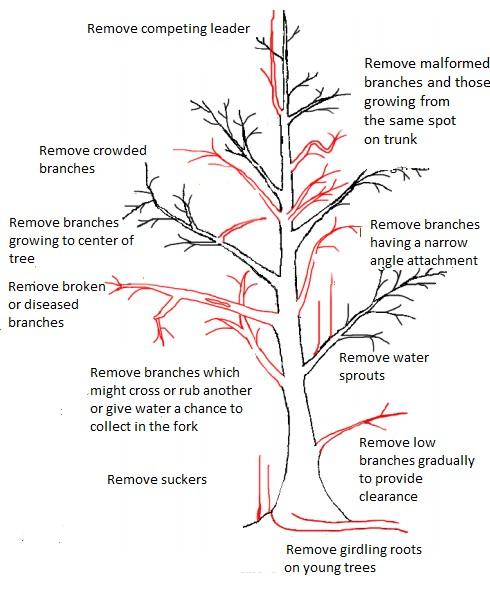


Prune:
-
Weak branches
-
Crossing limbs
-
Dead wood
Best time: Late winter.
Proper pruning encourages a strong central structure and faster canopy spread.
Pest & Disease Management
Siris is relatively hardy but may face:
-
Caterpillars
-
Aphids
-
Fungal leaf spots
Use neem oil spray and maintain proper drainage.
Regular inspection ensures early detection.
Benefits, Care & Uses with Tips and Tricks
Environmental Benefits
-
Improves soil fertility (nitrogen fixation)
-
Provides dense shade
-
Supports biodiversity
Nitrogen-fixing trees enhance soil productivity naturally [Source: FAO Forestry Paper, 2024].
Economic Uses
-
Timber for furniture
-
Fuelwood
-
Fodder for livestock
Its wood is moderately durable and used in rural construction.
Landscaping Benefits
-
Attractive umbrella canopy
-
Fragrant cream-colored flowers
-
Ideal roadside or farm tree
Expert Tips for Faster Growth
-
Plant during monsoon.
-
Ensure full sunlight exposure.
-
Remove competing weeds.
-
Avoid over-fertilizing.
-
Maintain proper spacing.
Consistent early care accelerates growth significantly.
Common Mistakes to Avoid
-
Overwatering
-
Planting too close to structures
-
Ignoring pruning
-
Using fresh manure
-
Poor seed selection
Smart GARDENING means balancing growth with long-term structure.
Is Siris the Right Plant for Your Home?
If you want:
-
Fast shade
-
Soil improvement
-
Low-maintenance care
-
Environmental impact
Then Siris is an excellent PLANT choice for Pakistani homes.
It grows quickly.
It supports soil health.
It enhances landscapes naturally.
Frequently Asked Questions (FAQ)
1. How fast does Siris (Albizia lebbeck) grow in Pakistan?
It can grow 3–5 feet per year under ideal conditions.
2. What is the best time to plant Siris?
Monsoon season (July–September) ensures better root establishment.
3. Does Siris require heavy watering?
No. Moderate watering during early stages is sufficient.
4. Can Siris improve soil quality?
Yes. It is a nitrogen-fixing tree that enhances soil fertility.
5. Is Siris suitable for small gardens?
Only if adequate space is available due to wide canopy spread.
Final Thoughts
Learning HOW TO GROW Siris (Albizia lebbeck) effectively allows you to combine environmental impact with practical benefits.
With proper soil preparation, correct propagate method, and consistent care, Siris can become a long-term asset for your home.
At LEAFSOLACE.ORG, we promote responsible tree planting that strengthens Pakistan’s green future.
Plant smart. Grow sustainably. 🌱